3 Best Private Day Trips from Milan
These day trips from Milan don't require overnight stays or complex logistics. Each destination provides a complete experience that returns you to the city by evening, making them perfect for travelers who want to see beyond Milan without sacrificing their urban accommodations.





Milan rewards extended stays, but the city's strategic position in northern Italy makes it an ideal base for exploring some of the country's most captivating destinations. Within a few hours' drive lie alpine lakes, celebrated wine regions, and automotive legends—each offering experiences that complement Milan's urban sophistication with natural beauty, culinary excellence, and Italian craftsmanship.
These day trips from Milan don't require overnight stays or complex logistics. Each destination provides a complete experience that returns you to the city by evening, making them perfect for travelers who want to see beyond Milan without sacrificing their urban accommodations.
Tired to read informational articles and want to book? Check our Private Day Trips from Milan!
Lake Como: Alpine Beauty and Lakeside Elegance
Lake Como has captivated visitors for centuries, from Roman aristocrats to modern celebrities who maintain villas along its shores. The lake stretches between steep mountains, creating dramatic scenery where alpine peaks meet Mediterranean gardens and elegant 18th-century villas overlook crystalline waters.
The journey from Milan takes roughly an hour by car, following routes that gradually transition from urban landscapes to the foothills of the Alps. Como town itself serves as the gateway, offering both historical interest and practical amenities, but the lake's real appeal lies in its smaller communities accessible by water.
A boat becomes essential for experiencing Lake Como properly. The lake's Y-shaped configuration connects three distinct branches, each lined with villages, villas, and gardens that reveal themselves gradually as you navigate the water. Ferry services run regularly between major towns, but private boats offer flexibility and access to quieter corners that scheduled routes don't reach.
Bellagio sits at the lake's center point where the three branches converge, earning its reputation as the "Pearl of the Lake." Its position provides panoramic views in multiple directions, while cobbled streets climb steeply from the waterfront through gardens and historic buildings. The town perfectly balances accessibility with charm—popular enough to maintain excellent restaurants and shops, yet small enough to retain its authentic character.
Villa del Balbianello, perched on a wooded promontory, represents Lake Como's architectural heritage at its finest. The 18th-century villa and its terraced gardens appear in numerous films precisely because they embody romantic Italian landscape design. Access requires a boat approach, as the property sits on a peninsula with limited road access, making arrival part of the experience.
Beyond the famous names, Lake Como rewards exploration of smaller villages like Varenna, with its waterfront promenade and medieval center, or Tremezzo, home to Villa Carlotta's extensive botanical gardens. Each community maintains its own character while sharing the lake's essential qualities—mountain backdrop, elegant architecture, and the particular light that reflects off water against limestone cliffs.
The experience works equally well at different paces. Some visitors prefer focused time in one or two locations, while others enjoy covering more ground by combining boat travel between multiple villages. Weather plays a significant role—clear days reveal the full alpine panorama, while misty conditions create atmospheric effects that photographers particularly appreciate.
Dining options range from casual lakeside trattorias serving fresh fish to refined restaurants in historic villas. The local specialty, missoltini (dried and pressed lake fish), appears on traditional menus alongside risotto and polenta dishes that reflect both Lombard traditions and Alpine influences.
Ready to visit Lake Como in seamless luxury? Check our private Como Lake boat tour from Milan.
Lake Como, Your Way
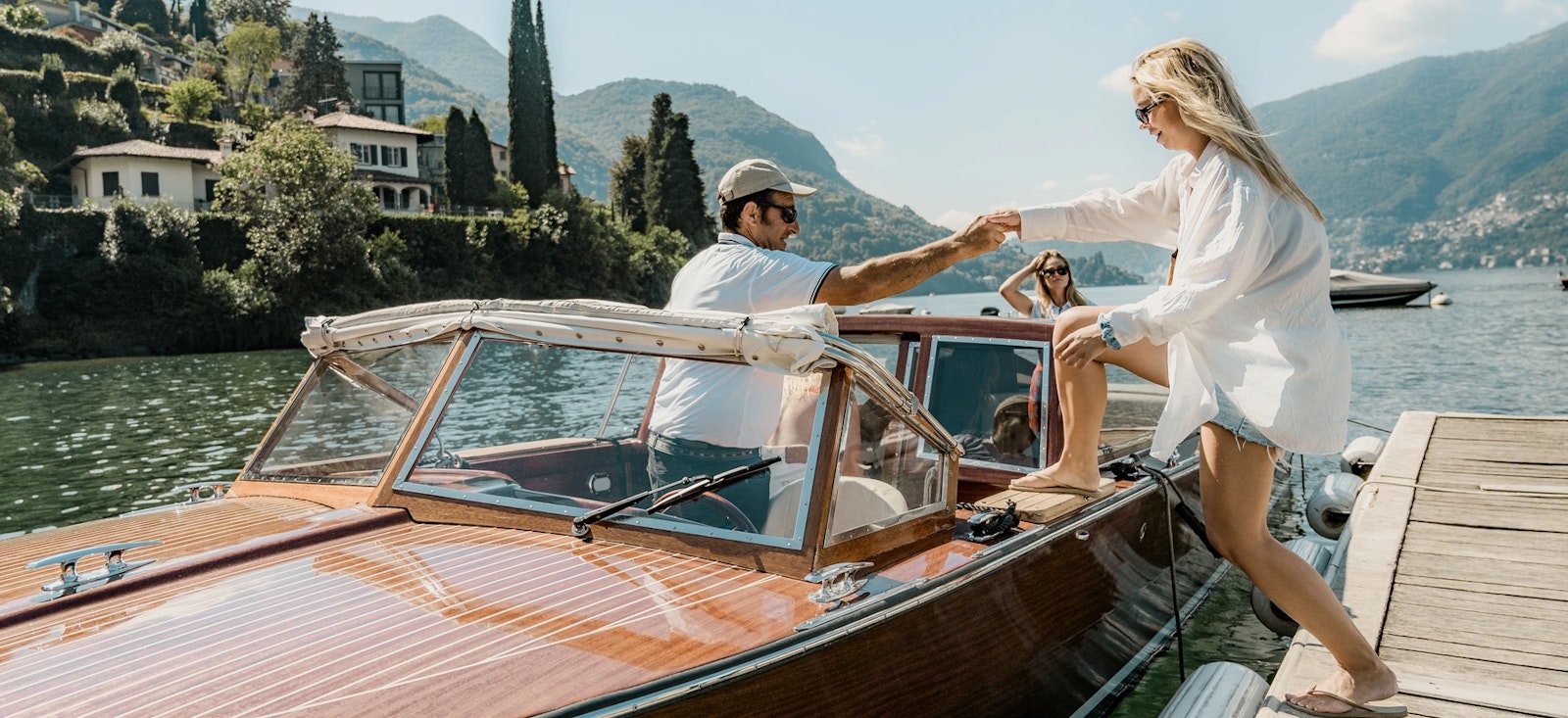
Private boat, personal driver, unforgettable views. Experience the lake as it's meant to be seen.
Ready to live la Dolce Vita?
Langhe and Barolo: Wine Country Excellence
South of Milan, Piedmont's Langhe region represents Italian wine culture at its most prestigious. This UNESCO World Heritage landscape produces Barolo and Barbaresco, two of Italy's most celebrated red wines, in a setting of rolling hills covered with precisely ordered vineyards that change color dramatically with the seasons.
The drive from Milan takes approximately two hours, crossing the Po River plain before climbing into hills that become progressively steeper and more dramatically contoured. The landscape itself tells the story of centuries of viticulture—every slope oriented for optimal sun exposure, every hillside divided into distinct vineyard parcels that represent different terroirs and winemaking philosophies.
Barolo village, which gives its name to the "king of wines," remains remarkably modest despite its global reputation. The historic center clusters around a castle that now houses a wine museum, while the surrounding hillsides produce grapes that become wines requiring years of aging before reaching their potential. Understanding Barolo requires tasting it in context—in the cellars where it ages, with explanations from those who make it, paired with the regional cuisine it was meant to accompany.
The Langhe experience extends beyond wine tasting to include the broader food culture that makes Piedmont legendary among Italian regions. White truffles from Alba, hazelnuts from local orchards, Fassone beef from Piedmont cattle—the region's agricultural wealth supports restaurants that range from simple trattorias to Michelin-starred establishments, all drawing on the same exceptional raw materials.
Multiple wineries welcome visitors, from large producers offering organized tours to small family operations where the winemaker personally guides tastings. Each winery approaches Nebbiolo—the grape variety behind both Barolo and Barbaresco—differently, reflecting both the specific vineyard characteristics and the producer's philosophy. Visiting several wineries in a single day reveals the remarkable diversity within what appears from outside as a unified wine region.
Beyond the most famous villages, towns like La Morra provide elevated viewpoints across the vineyard-covered hills, while Monforte d'Alba and Serralunga d'Alba offer castle visits and quieter exploration. The towns maintain authentic character precisely because they function as working wine communities, not tourist constructs—tractors share narrow streets with visitors, and harvest season transforms the entire region into active workspace.
Timing affects the experience significantly. Autumn brings harvest activity, changing leaf colors, and the white truffle season that peaks in November. Spring and summer offer clearer weather for appreciating the landscape, while winter provides a quieter, more intimate experience though some smaller wineries reduce their visiting hours.
The region rewards unhurried exploration. Wine tasting done properly requires time—for the wines themselves, which reveal different characteristics as they open in the glass, and for understanding the context that makes them significant. Combined with meals that showcase regional ingredients and driving through landscapes shaped entirely by viticulture, a day in the Langhe provides immersion in Italian food and wine culture at its most refined.
Want to know more about this day trip? Check our Private Day Trip to Langhe from Milan!
Taste Barolo in Its Birthplace
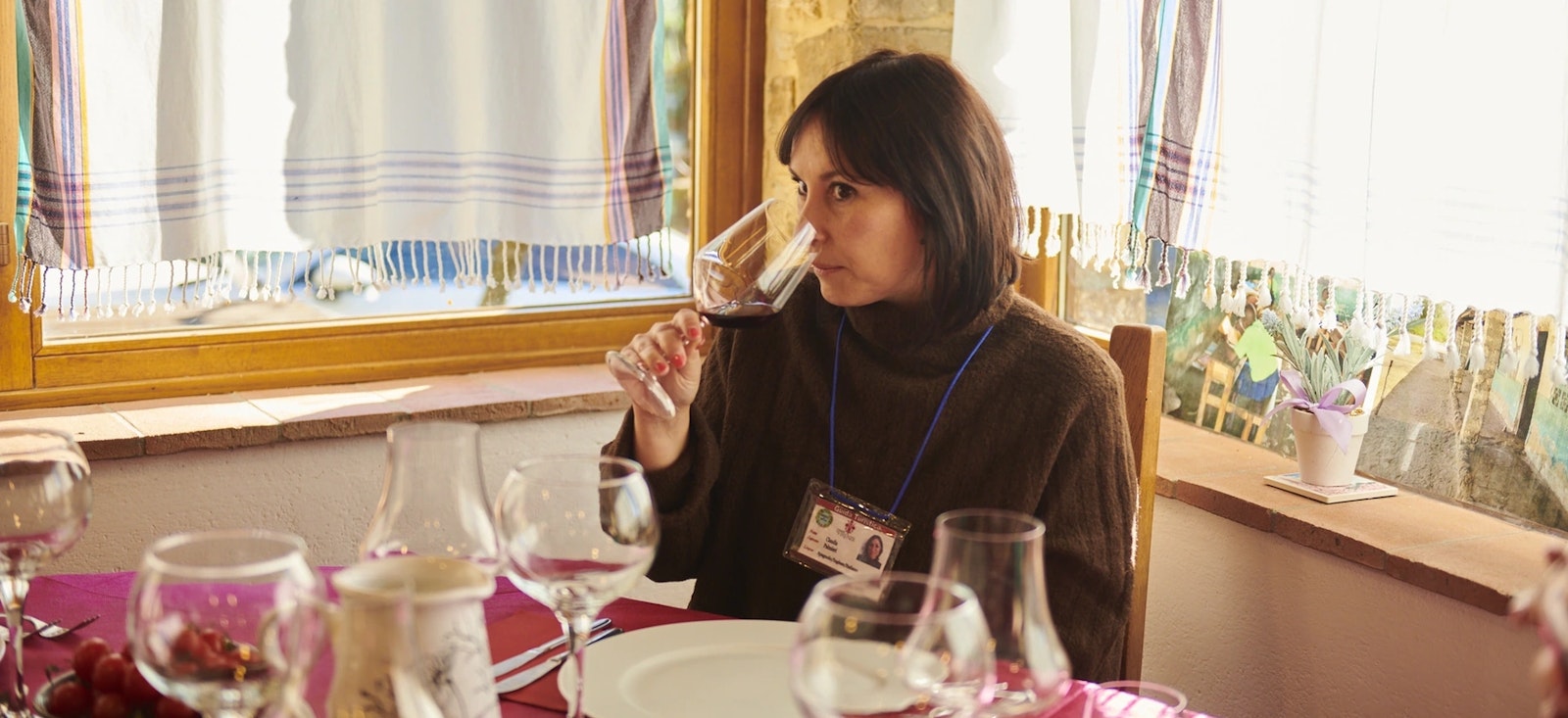
Explore prestigious wineries with a private driver. Savor world-class wines where they're crafted.
Maranello: The Home of Ferrari
For automotive enthusiasts, few destinations carry the significance of Maranello, the small Emilian town where Enzo Ferrari established his factory in 1943 and where every Ferrari road car has since been built. This isn't merely a museum visit—it's entering the geographical and cultural center of one of the world's most legendary automotive brands.
The journey from Milan takes roughly two hours, crossing into Emilia-Romagna and the Motor Valley, Italy's concentration of high-performance automotive manufacturers. The landscape transitions from Lombardy's plains to the foothills of the Apennines, where small cities like Modena and Maranello have shaped global automotive history through companies bearing their founders' names.
The Museo Ferrari Maranello occupies a distinctive yellow building adjacent to the factory where Ferraris are still assembled by hand. The museum collection spans Ferrari's entire history, from the earliest racing cars that established the brand's competition credentials to current road-going supercars that represent the latest in automotive technology. The exhibits don't simply display cars—they contextualize them within racing history, technological development, and the personalities who drove Ferrari's evolution.
Temporary exhibitions rotate regularly, often focusing on specific themes—championship-winning Formula 1 cars, particular model lineages, or technological innovations that moved from racing to road cars. The permanent collection ensures that even repeat visitors find new perspectives, as different vehicles are highlighted and display configurations evolve.
Beyond static displays, the museum incorporates simulators and interactive elements that allow visitors to experience aspects of Ferrari performance without requiring actual driving credentials. These experiences range from racing simulators using Formula 1 technology to pit stop demonstrations that reveal the precision teamwork behind changing tires in under three seconds.
The factory itself remains a working production facility where Ferrari manufactures its current model range. While the assembly lines aren't open for casual tours due to confidentiality and safety considerations, the museum provides views into certain production areas and explains the craftsmanship and technical precision required to build cars that represent automotive excellence at its highest level.
Maranello town reflects its unique relationship with Ferrari—the brand dominates the local economy and identity, yet the town maintains an authentic Italian character rather than becoming a theme park. Restaurants display Ferrari memorabilia, hotels cater to automotive enthusiasts, and locals have genuine connections to the factory as employees, suppliers, or family members of those who work there.
For those interested in a broader automotive context, Modena lies just fifteen minutes away, offering both the Enzo Ferrari Museum (focused on the founder's life and early career) and a historic city center that includes a UNESCO-listed cathedral and one of Italy's finest food markets. The combination of Maranello and Modena provides both specific Ferrari immersion and a wider cultural context.
The experience appeals to different levels of automotive enthusiasm. Serious Ferrari collectors and racing historians find technical depth and rare vehicles, while those with a general interest in automotive design and Italian industrial achievement still find the museum accessible and engaging. The museum succeeds in making Ferrari's story comprehensible without diminishing its mystique.
Are you ready to have a Private Day Trip from Milan to Maranello? Set, go!
Experience Ferrari's Home
Visit the Ferrari Museum with a private driver. Immerse yourself in automotive excellence.

Conclusion
These three destinations—Lake Como's natural elegance, the Langhe's viticultural excellence, and Maranello's automotive legend—represent distinctly different aspects of northern Italian culture, yet each functions perfectly as a day trip from Milan. They share the quality of being substantial enough to justify the journey while remaining accessible within a single day's exploration.
Choosing between them depends on personal interests and timing. Como works in any season and appeals broadly to those seeking scenic beauty and leisurely exploration. The Langhe rewards food and wine enthusiasts, particularly during harvest season or truffle months. Maranello provides focused immersion in automotive history and Italian industrial achievement.
What makes these day trips from Milan particularly valuable is that each reveals aspects of Italy that complement rather than duplicate what Milan itself offers. The city provides urban sophistication, fashion, and contemporary culture; these destinations add natural landscape, agricultural tradition, and specialized craftsmanship. Together, they create a more complete picture of northern Italy's character and achievements.