10 Facts you didn't know about Paris
Understanding these lesser-known aspects transforms how you see the City of Light. What appears as surface beauty often conceals remarkable ingenuity, historical necessity, or architectural solutions that shaped Paris into what it is today.





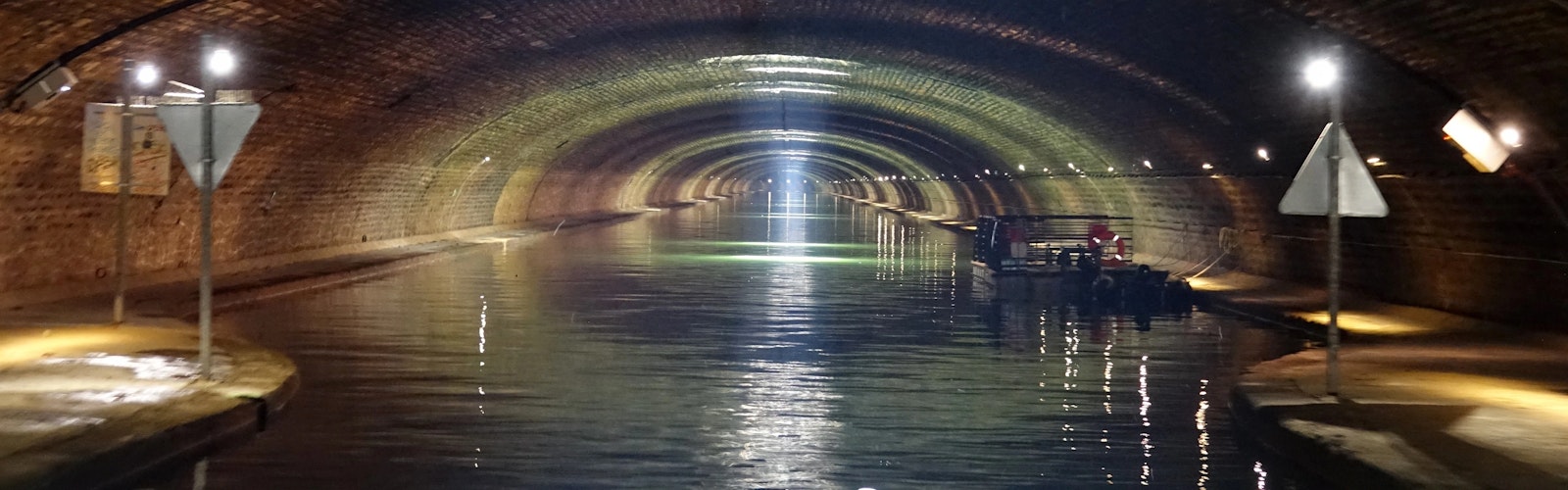
Paris reveals itself in layers. Beyond the Eiffel Tower's iron lattice and the Louvre's glass pyramid lies a city of hidden engineering marvels, secret chambers, and forgotten spaces that even longtime Parisians rarely encounter. These aren't legends or urban myths—they're documented realities tucked beneath streets, inside monuments, and behind the walls of famous landmarks.
Understanding these lesser-known aspects transforms how you see the City of Light. What appears as surface beauty often conceals remarkable ingenuity, historical necessity, or architectural solutions that shaped Paris into what it is today.
Want to learn more about Paris? Check our Paris Private Tours.
1. The Opéra Garnier Sits Above a Functioning Underground Lake
When construction began on the Opéra Garnier in the 19th century, engineers confronted an unexpected challenge: the ground was so saturated with water that stable foundations seemed impossible. Rather than fight the water, architect Charles Garnier made a brilliant decision—he would contain it.
The solution was a massive underground cistern that continuously collects groundwater seeping up from below. This artificial lake still exists beneath the opera house and remains essential to the building's structural stability. If the water level drops too low, the entire structure could suffer damage.
The Paris Fire Brigade maintains this subterranean reservoir, using it as a training ground for water rescue operations. Firefighters navigate the dark waters in small boats, practicing techniques in an environment that most Parisians don't even know exists. This hidden lake inspired one of literature's most famous settings—Gaston Leroux based crucial scenes of "The Phantom of the Opera" on this very real underground water system.
2. Official Catacombs Represent Less Than 2% of Underground Paris
The Catacombs tour that visitors experience covers approximately 2 kilometers of tunnel lined with carefully arranged bones. What most people don't realize is that this represents a tiny fraction of Paris's actual underground network, which extends over 280 kilometers beneath the city.
These tunnels aren't natural caves—they're former limestone quarries that provided the stone to build Paris itself, dating from medieval times through the 19th century. The majority remains strictly off-limits, classified as "zones interdites" and accessible only to the Inspection Générale des Carrières, the agency responsible for monitoring underground stability.
Despite legal prohibitions, urban explorers known as "cataphiles" have documented vast sections of this hidden world—underground cinemas, decorated chambers, historical graffiti, and forgotten rooms that tell stories of centuries past. Some sections aren't even definitively mapped because they span such diverse historical periods and construction methods. This underground Paris represents one of the city's most extensive yet least accessible historical resources.

3. Medieval Fortress Walls Lie Beneath the Louvre
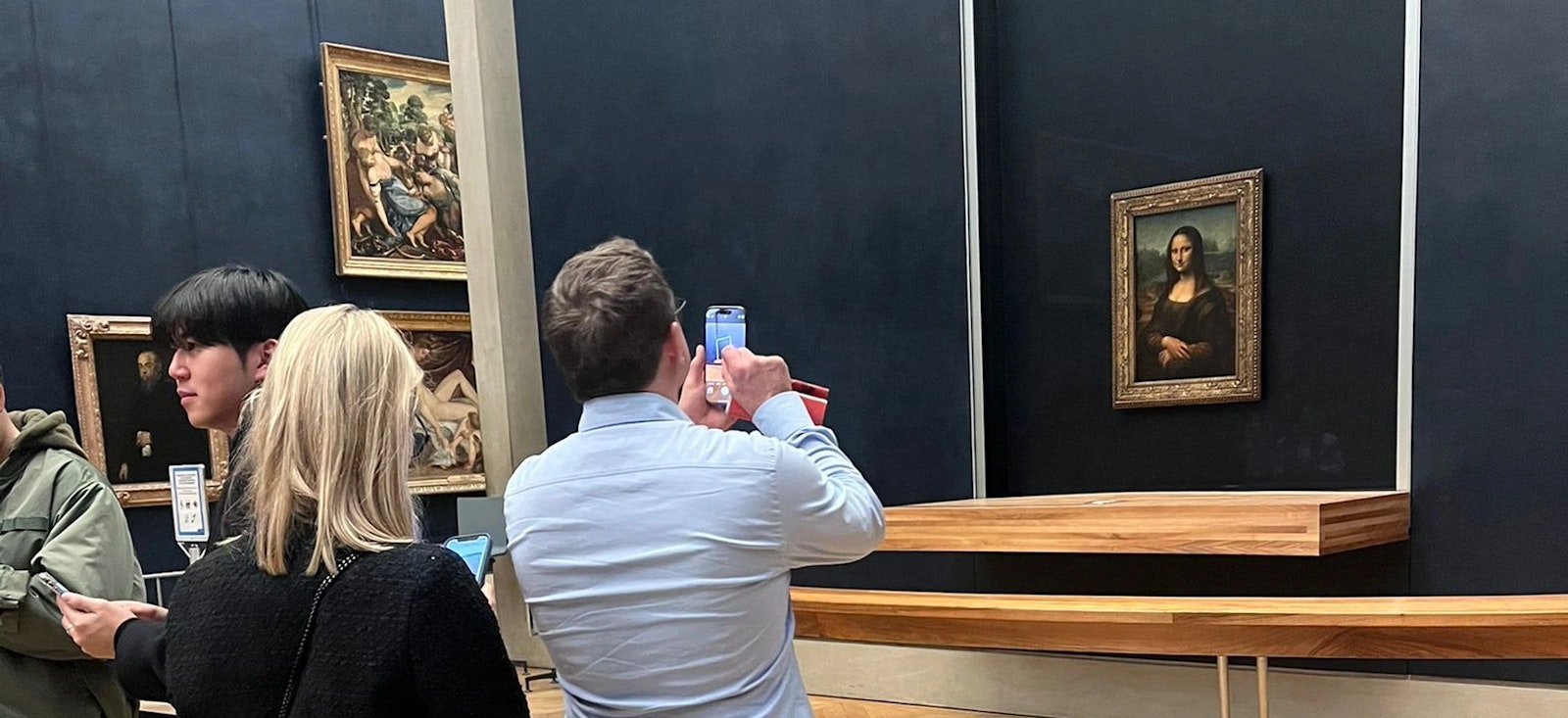
Most visitors to the Louvre focus on the Mona Lisa or Venus de Milo, unaware that they're walking above a perfectly preserved 13th-century fortress. During excavations for the museum's expansion in the 1980s, archaeologists uncovered the complete moat, circular towers, and wall sections of the original fortress built by King Philip II.
Rather than cover these discoveries, museum planners incorporated them into a dedicated exhibition space called the Medieval Louvre. Massive stone blocks, ribbed arches, and carved stairs remain exactly as they were found—raw evidence of Paris's transformation from medieval stronghold to Renaissance palace to modern museum.
This integration of medieval architecture within a contemporary museum creates one of Europe's most remarkable examples of historical preservation. The fortress foundations support the weight of centuries of additions above, while providing visitors with a direct connection to Paris's origins as a fortified settlement on the Seine.
Want to Know More about the Louvre?
Ready to explore the Louvre's secrets? Browse our private tours and experience Paris's greatest museum your way.
4. Gustave Eiffel Built Himself a Private Apartment at the Top of His Tower
This isn't urban legend—Gustave Eiffel actually constructed a small apartment on the third level of the Eiffel Tower for his personal use. Furnished with period sofas, scientific instruments, paintings, and meteorological equipment, it served as both private retreat and scientific laboratory.
Eiffel received famous guests here, including Thomas Edison, who presented him with one of his phonographs. The apartment remains completely intact, decorated in the Belle Époque style with red wallpaper and wooden furniture, but it's closed to the public except for extremely rare institutional visits.
This represents one of the world's few examples of a private residence built within a public monument. Many Parisians live their entire lives unaware that above the observation decks and restaurants, this personal space exists—a testimony to Eiffel's vision of his tower as more than just a structure, but as a working scientific platform.
5. A World War II Air Raid Shelter Survives Beneath Place de la République
During the German occupation, Paris constructed a network of underground shelters beneath major public squares. The shelter under Place de la République remains one of the most intact examples, though it's been sealed for decades and remains inaccessible to the public.
Municipal archives document its existence, and city technicians conduct periodic inspections to ensure structural integrity. The shelter preserves its original configuration—numbered rooms, emergency exits, and walled-up entrance points that once provided refuge during air raids.
While not particularly dramatic in appearance, this hidden space serves as tangible evidence of Paris's wartime experience. It's a reminder that beneath the city's elegant surface lie layers of 20th-century history, preserved not for tourism but as authentic historical documentation of urban life during occupation.
6. An Original 19th-Century Gypsum Quarry Remains Intact Under Montmartre
Montmartre's history as a gypsum mining district is well known, but few realize that one of the principal quarries still exists in perfect condition beneath Place du Tertre. Though closed to the public, underground inspectors regularly access it because Montmartre's geological instability requires constant monitoring.
The quarry features a large semicircular chamber supported by original wooden beams from the 19th century, still performing their structural function. These timber supports prevent collapse and their preservation is considered essential to maintaining the stability of the historic buildings above.
This isn't a tourist attraction or carefully curated space—it's a working example of industrial archaeology where the original mining infrastructure continues to serve its purpose nearly two centuries later. Authorized inspectors describe entering a vast underground cathedral of white stone, where gypsum dust rises with each footstep and echoes reverberate through the silent chambers.
7. Notre-Dame Contains a Secret Practice Organ Unknown to Visitors
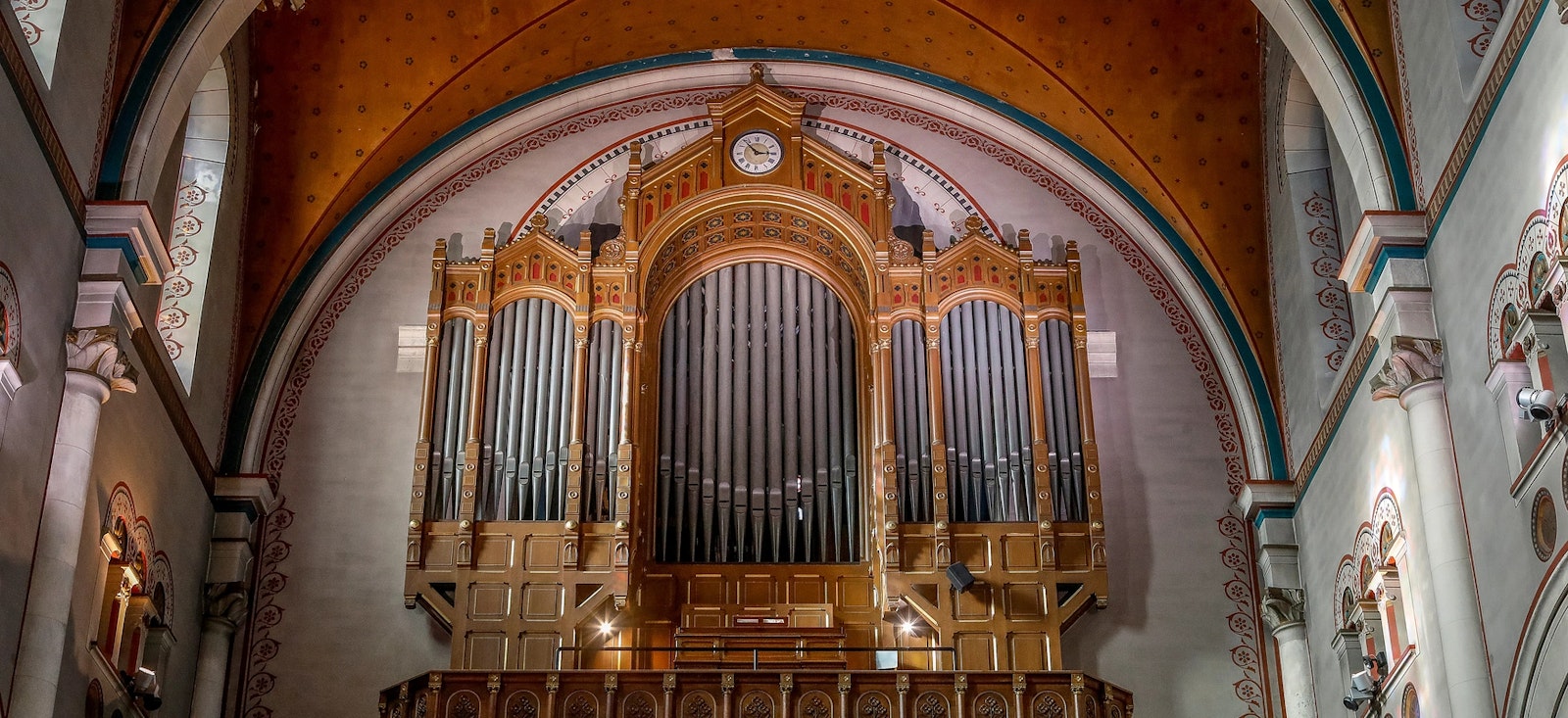
Beyond the cathedral's famous grand organ—one of the world's largest and most complex instruments—Notre-Dame houses a smaller "shadow organ" used exclusively for practice and rehearsals. The main organ is too massive and sensitive for daily use, requiring precise climate conditions and producing volume levels unsuitable for routine practice.
This secondary instrument, hidden from public view within the cathedral's internal spaces, allows organists to maintain their skills and test new pieces without engaging the monumental main organ. It's a fully functional instrument documented by master organists and used continuously until the 2019 fire.
Following the cathedral's restoration, this practice organ continues its technical function, representing one of the many hidden operational necessities that support Notre-Dame's musical tradition. Most visitors never suspect that the organ they see and hear has a smaller sibling working quietly in the background.
8. Inspection Chambers from the 16th Century Still Function Inside Pont Neuf
Pont Neuf holds the distinction of being Paris's oldest bridge, but its hidden innovation lies in its maintenance system. Built into the structure are small inspection rooms and passages that bridge engineers used to monitor cracks, water infiltration, and stone movement.
Some chambers were sealed during 19th-century renovations, but others remain accessible and are still opened periodically for hydraulic inspections related to the Seine's water levels and seasonal flooding. These aren't romantic spaces—they're utilitarian rooms that demonstrate Renaissance-era engineering sophistication.
The survival of these inspection chambers makes Pont Neuf a rare example of historical urban infrastructure where original maintenance systems continue to serve their intended purpose five centuries after construction. City engineers use modern technology to perform the same assessments that their predecessors conducted by torchlight.
9. Fourteen Hidden Clocks Still Tick Behind the Musée d'Orsay's Walls
When the Musée d'Orsay functioned as a railway station, precise time coordination was essential for train schedules. The building contained sixteen synchronized mechanical clocks networked throughout the structure to ensure consistent timekeeping across all platforms and offices.
Today, only two remain visible to visitors—the iconic clock face on the museum's façade and the one in the main hall. The other fourteen are hidden behind walls, some original and others carefully restored. Museum technicians maintain these clocks in working order because they're considered part of the building's historical fabric.
This hidden mechanical network represents the invisible infrastructure that made early 20th-century transportation possible. Visitors admiring Impressionist paintings walk past walls that conceal a functioning timekeeping system, unaware that the building around them continues to perform its original purpose of marking the hours.
Want to learn more about the D'Orsay Museum? Check our D'Orsay Museum Private Tour.
10. A Secret 19th-Century Water Reservoir Powers the Parc des Buttes-Chaumont
The Parc des Buttes-Chaumont, created in 1867, features dramatic artificial waterfalls and picturesque lakes that seem naturally integrated into the landscape. What visitors don't see is the massive underground reservoir built into one of the park's hills, which collects and regulates water for all these features.
This subterranean system still functions today, managing water pressure and distribution through a network of stone chambers, pipes, and holding tanks—all hidden beneath the park's romantic scenery. City hydraulic plans document its existence, but it remains completely closed to the public.
Engineers occasionally access this underground infrastructure to perform maintenance, entering a world of 19th-century waterworks that continues operating exactly as intended over 150 years ago. It's urban engineering at its most elegant—completely hidden, perfectly functional, and essential to creating the park's aesthetic experience.
These facts about Paris reveal a city that operates on multiple levels—literally and figuratively. Understanding what lies beneath the streets, inside the monuments, and behind the walls adds dimension to any visit. Paris isn't just a collection of beautiful surfaces; it's a layered accumulation of solutions, innovations, and hidden spaces that make the visible city possible. The next time you cross Pont Neuf, admire the Opéra Garnier, or stroll through the Buttes-Chaumont, you'll know that beneath your feet and behind the walls, another Paris continues its quiet work.
Planning a Euro-trip? Check our 10 facts you didn't know about Da Vinci's Last Supper article!